

Product Description:
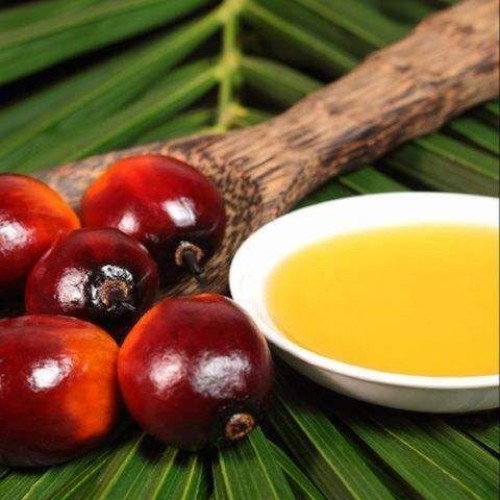
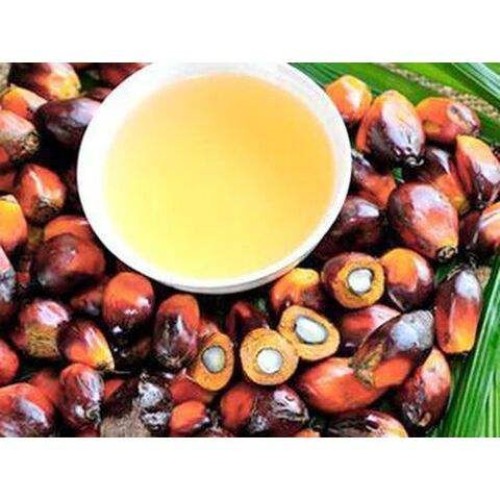
RBD Palm Oil
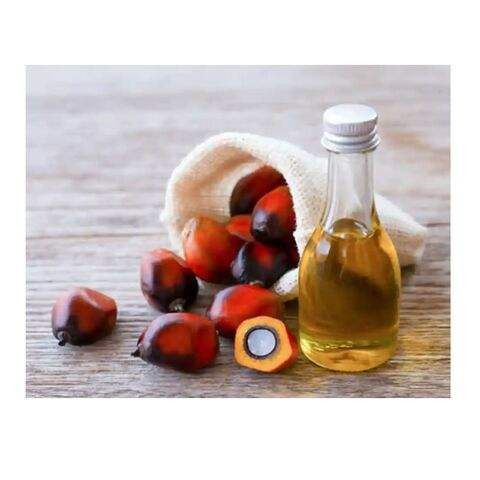
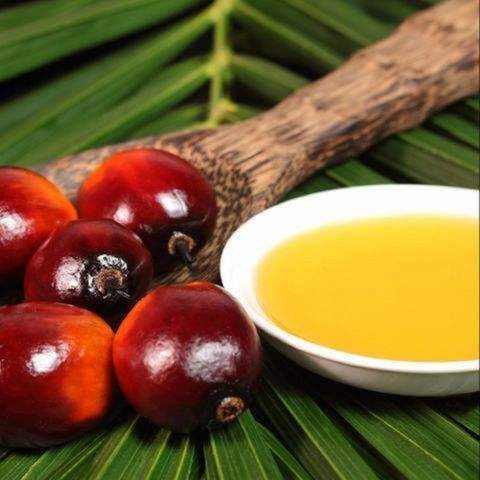
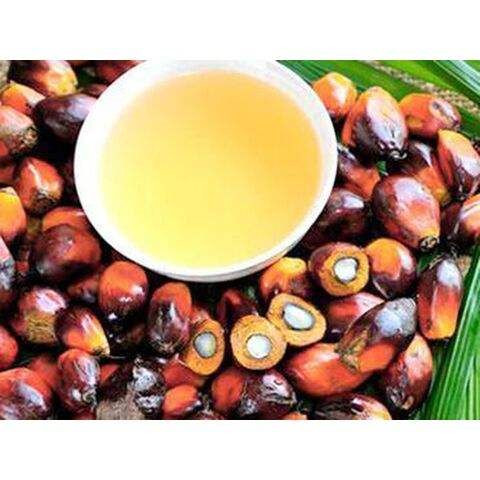
Refined, Bleached, and Deodorized (RBD) palm oil is a versatile and widely used vegetable oil derived from the fruit of the oil
palm tree (Elaeis guineensis). This oil undergoes refining, bleaching, and deodorizing processes to produce a stable,
neutral-flavored product suitable for various culinary and industrial applications.
Characteristics and Composition
Appearance:
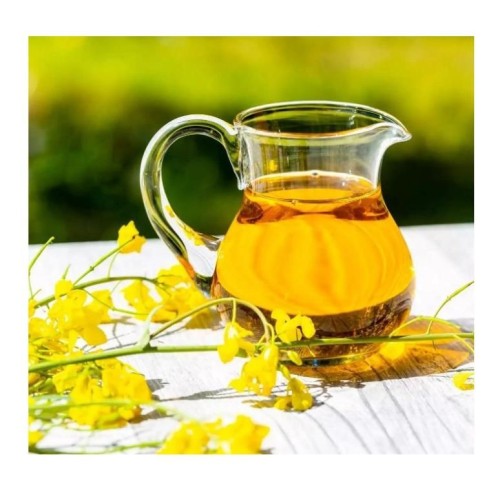
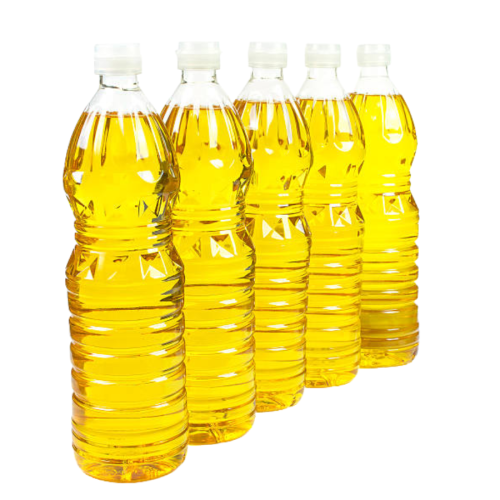
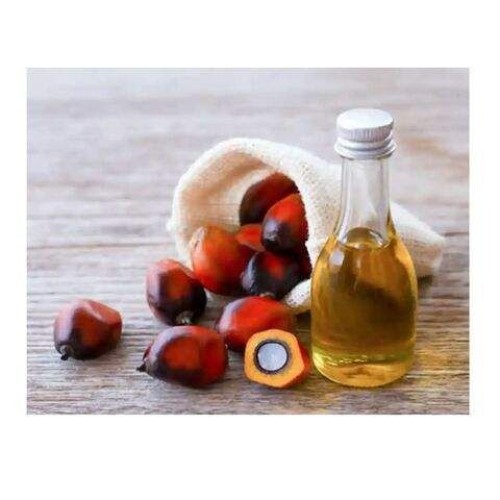
* Light yellow to golden in color.
* Semi-solid at room temperature, becoming fully liquid when warmed.
Nutritional Profile:
* Fats: Contains a balanced mix of saturated and unsaturated fats.
* Fatty Acids: High in palmitic acid (saturated fat) and oleic acid (monounsaturated fat).
* Vitamins and Antioxidants: Rich in vitamin E (tocopherols and tocotrienols) and beta-carotene, a precursor to vitamin A.
Production Process
1. Harvesting: Oil palm fruits are harvested and transported to the processing facility.
2. Extraction: Oil is extracted from the fruits flesh (mesocarp) through mechanical pressing.
3. * Degumming: Removes phospholipids and other gum impurities.
* Neutralization: Eliminates free fatty acids.
Refining: The crude palm oil undergoes refining to remove impurities.
4. Bleaching: Removes color pigments and other impurities using bleaching earth or activated carbon.
5. Deodorizing: Uses steam distillation to remove odors and volatile compounds, resulting in a neutral-smelling oil.
6. Packaging: The refined, bleached, and deodorized oil is then packaged for distribution.
Uses and Applications
Culinary Uses:
RBD palm oil is widely used in cooking and food production due to its stability and versatility:
* Frying: Ideal for deep frying and shallow frying due to its high smoke point.
* Baking: Commonly used in baking to create flaky and moist textures in pastries, cakes, and cookies.
* Margarine and Shortening: A primary ingredient in margarine and vegetable shortening.
* Confectionery: Used in the production of chocolates and other confectionery items for its smooth texture and stability.
* Processed Foods: Found in a wide range of processed foods such as snacks, soups, and ready meals.
Industrial Uses:
Beyond culinary applications, RBD palm oil is also used in:
* Cosmetics: A base ingredient in soaps, lotions, and other skincare products due to its moisturizing properties.
* Pharmaceuticals: Used as an excipient and carrier oil in various pharmaceutical formulations.
* Biofuel: Processed into biodiesel and used as an alternative energy source.
Nutritional and Health Benefits:
* Rich in Antioxidants: Contains vitamin E and beta-carotene, which have antioxidant properties.
* Stable at High Temperatures: Suitable for high-temperature cooking methods without breaking down or oxidizing.
Benefits and Considerations
Benefits:
* Versatility: Suitable for a wide range of culinary and industrial applications.
* Stability: Highly stable with a long shelf life, making it ideal for various uses.
* Nutritional Content: Provides essential vitamins and antioxidants.
Considerations:
* Saturated Fat Content: Contains a significant amount of saturated fat, which should be consumed in moderation as part of a
balanced diet.
* Environmental Impact: Palm oil production has been associated with deforestation and habitat loss. Choosing sustainably sourced
palm oil can mitigate these impacts.
Storage and Handling
To maintain the quality of RBD palm oil:
* Storage: Store in a cool, dry place away from direct sunlight to prevent oxidation.
* Shelf Life: Typically has a long shelf life of up to two years when stored properly.
* Handling: Keep the container tightly sealed when not in use to prevent contamination and rancidity.